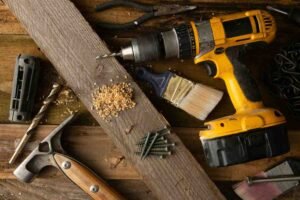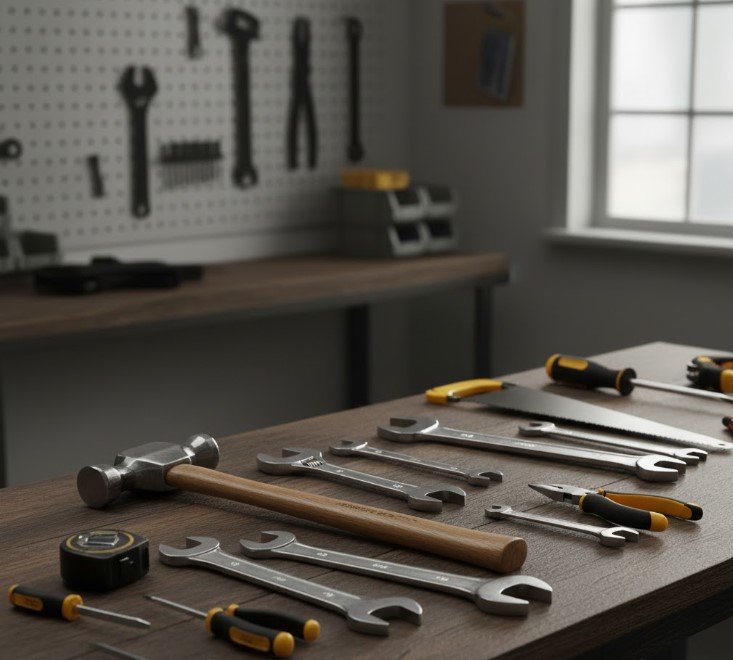
Hand tools are essential instruments for any workshop, construction site, or DIY home project. They are manually operated tools that allow precise control for tasks ranging from assembly and repair to shaping, cutting, and fastening.
Understanding hand tools, their types, uses, and selection criteria ensures efficiency, safety, and long-term value.
What Are Hand Tools and Why They are Important
Hand tools are manual implements designed to perform specific mechanical tasks without requiring power. Examples include hammers, screwdrivers, pliers, wrenches, chisels, saws, and files.
Unlike power tools, hand tools offer precision, portability, and control, making them indispensable for both professionals and DIY enthusiasts.
The significance of hand tools goes beyond basic utility. Proper selection of hand tools affects work quality, ergonomics, and safety. High-quality hand tools also comply with international standards like ISO, ANSI, and DIN, ensuring durability and reliability.
Types of Hand Tools
Hand tools can be broadly categorized based on function, design, and industry use. Below is a detailed overview.
1. Cutting Tools
Cutting hand tools are designed to remove material or separate objects.
- Saws: Including hacksaws, coping saws, and hand saws, these are used for cutting wood, metal, and plastic. For beginners or home workshops, a general tool set provides all essential cutting and basic tools in one convenient kit.
- Chisels: Used for shaping or carving wood, metal, and stone. Brands like Stanley and Bahco are known for precision chisels.
- Utility Knives: Multipurpose knives for trimming, scoring, and cutting materials in workshops or at home.
2. Striking Tools
Striking tools are used to apply force to an object.
- Hammers: Examples include claw hammers, ball-peen hammers, and sledgehammers. Each type is suited for different materials and applications.
- Mallets: Soft-faced hammers for delicate surfaces, commonly used in woodworking or assembly tasks.
3. Fastening Tools
Fastening tools allow joining, tightening, or loosening components.
- Screwdrivers: Available in flathead, Phillips, Torx, and hex varieties.
- Wrenches and Spanners: Includes adjustable wrenches, combination wrenches, socket wrenches, used for nuts and bolts.
- Pliers: Types such as needle-nose, cutting, and slip-joint pliers provide grip, bend, and cut capabilities.
4. Measuring and Layout Tools
Precision is critical in any project. Measuring hand tools include:
- Tape Measures: Flexible measuring for distances.
- Calipers and Micrometers: Used for high-accuracy measurement of dimensions.
- Squares and Levels: Ensure alignment and proper angles in woodworking or construction.
5. Specialty Tools
Specialized hand tools cater to specific trades:
- Pipe Wrenches for plumbing applications.
- Wire Strippers and Crimpers for electrical work.
- Leatherworking, Jewelry, and Watchmaking Tools for hobbyists or precision crafts.
Hand Tools and Their Uses
A proper hand tools list helps users identify the correct instrument for each task:
| Tool Type | Common Use | Recommended Brand/Standard |
| Hammer | Driving nails, shaping metal | Stanley, Bahco |
| Screwdriver | Fastening screws | Wiha, Irwin |
| Adjustable Wrench | Tightening bolts | Crescent, Bahco |
| Pliers | Cutting, bending wires | Knipex, Channellock |
| Tape Measure | Measuring distances | Stanley, Komelon |
| Chisel | Carving wood or metal | Bahco, Stanley |
| Mallet | Gentle striking | Hardwoods, rubber-faced |
| Hacksaw | Cutting metal pipes | Bahco, Irwin |
Understanding hand tools in workshops ensures you match each task with the right tool, improving accuracy, efficiency, and safety.
Key Factors for Choosing Hand Tools for Home and Workshop Use
Selecting the right hand tools requires evaluating several important factors. Sourcing from a trusted hand tools supplier ensures you get high-quality, certified tools suitable for every task, providing reliability and long-lasting performance.
Material and Build Quality
The material of the hand tool directly impacts its strength and durability. Tools made from high-carbon steel or alloy steel resist wear and corrosion. Ergonomic handles improve comfort, reduce fatigue, and make long projects easier to handle.
Purpose and Application
Understanding the tasks you will perform is crucial. For example, claw hammers are ideal for woodworking, while ball-peen hammers are suited for metalworking. Selecting the right tool for the specific application improves precision and efficiency.
Standards and Compliance
Compliance with international standards like ISO, ANSI, or DIN ensures that tools are reliable and safe to use. Certified tools, such as torque wrenches, pliers, and screwdrivers, help prevent accidents and maintain professional-quality results.
Warranty and Support
Choosing tools from reputable brands like Stanley, Bahco, Irwin, and DeWalt provides peace of mind. Many brands offer warranties ranging from 1 year to lifetime coverage, along with customer support and replacement parts, ensuring your tools remain usable for years.
Storage and Organization
Proper storage and organization protects your hand tools and keeps your workspace efficient. Use toolboxes, wall-mounted racks, or shadow boards to store tools safely, extend their lifespan, and make them easily accessible when needed.
Hand Tools Selection for Beginners
For home use or beginners, a basic toolkit should include:
This set covers most common repair, assembly, and DIY tasks, allowing users to expand their collection as skill and project complexity grow.
Maintenance Tips for Longevity of Hand Tools
- Cleaning and Drying: Regularly clean tools after use to remove dirt, dust, and debris. Wipe metal parts dry to prevent corrosion and rust buildup.
- Lubrication: Apply light oil or lubricant to moving parts such as pliers, wrenches, and vises. This ensures smooth operation and reduces friction over time.
- Sharpening and Edge Care: Keep cutting tools like chisels, knives, and saws sharp using whetstones or sharpening tools. Sharp edges improve efficiency and reduce accidents.
- Proper Storage: Store tools in toolboxes, racks, or shadow boards to protect them from moisture, impacts, and misplacement. Organized storage also prolongs tool life.
- Inspection and Replacement: Regularly check for damage, loose handles, or wear. Repair or replace compromised tools promptly to maintain safety and performance.
FAQs
What are hand tools and why are they important?
Hand tools are manually operated tools like hammers, screwdrivers, and pliers. They provide precision, control, and portability for DIY, workshop, and professional tasks.
How do I choose the right hand tools?
Select tools based on task type, material quality, ergonomics, and compliance with standards like ISO or ANSI. Matching tools to applications ensures efficiency and safety.
What are the essential hand tools for beginners?
A basic toolkit should include a hammer, screwdrivers, adjustable wrench, pliers, tape measure, and utility knife. These cover most home repair and DIY tasks.
How can I maintain hand tools for longevity?
Clean and dry tools after use, lubricate moving parts, sharpen cutting edges, and store them properly. Regular inspection ensures safety and extends tool life.
Final Thoughts
Hand tools remain the backbone of every workshop, home DIY project, and professional trade. Understanding the different types, their specific uses, and how to select the right tools ensures work is performed safely, efficiently, and with precision.
Proper care, maintenance, and storage not only extend the life of your tools but also enhance performance and reduce the risk of accidents. Selecting tools from trusted brands with warranties and certified standards adds peace of mind for long-term use.
Ready to Equip Your Workshop with Trusted Hand Tools
For residents and businesses in UAE, Reality Building Materials Trading LLC is a reliable source for high-quality hand tools, expert guidance, and fast, hassle-free delivery across the country.
Contact our hand tools specialists for personalized advice, product guidance, and fast support tailored to your project needs.