Choosing the right tools for your project is crucial for achieving professional results, efficiency, and safety. Whether you are a DIY enthusiast, a professional craftsman, or managing an industrial workshop, understanding the differences between hand tools and power tools ensures that every task is completed effectively.
In this guide, we explore the advantages, disadvantages, and practical applications of both to help you make an informed choice.
What Are Hand Tools?
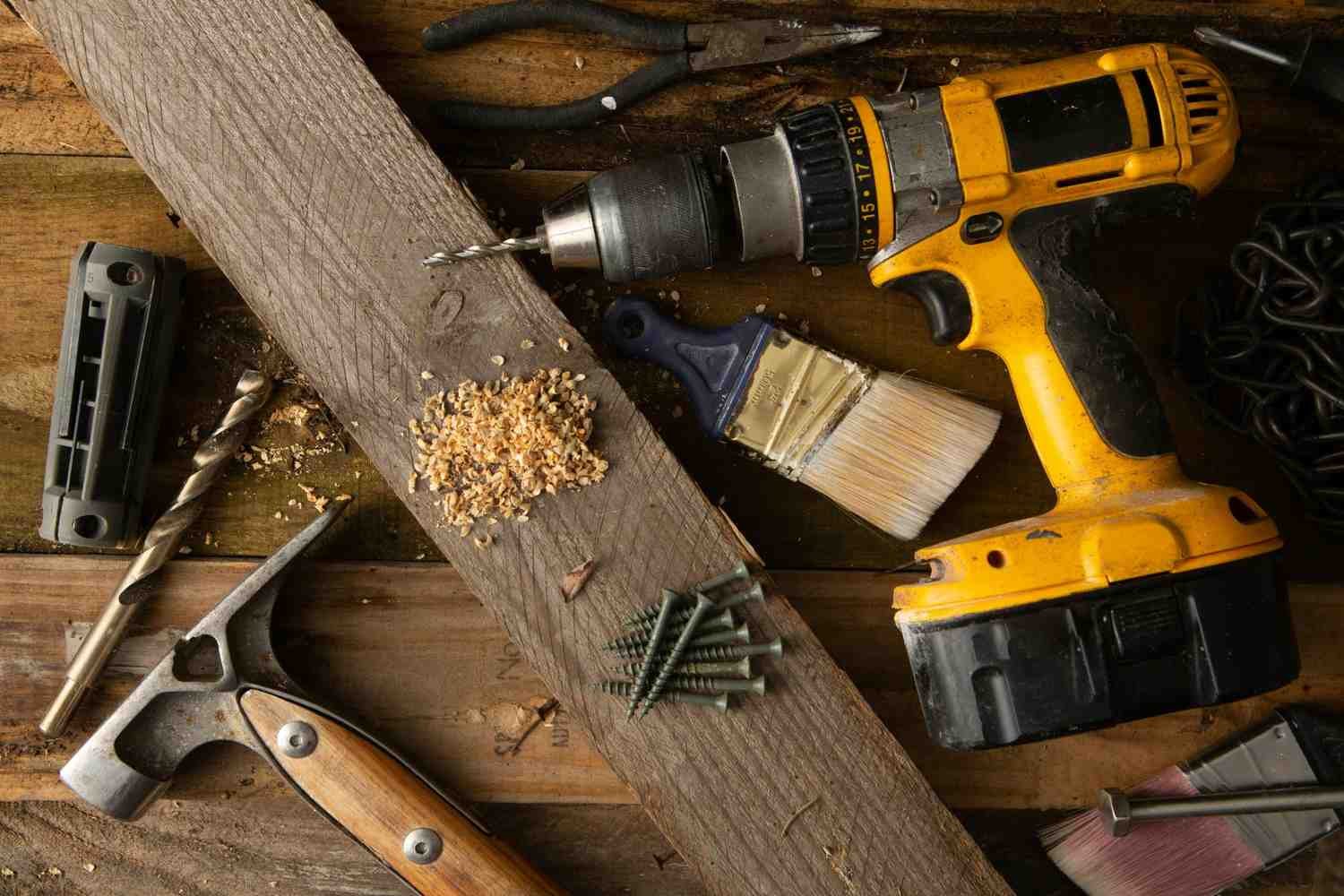
Hand tools are manually operated instruments designed to perform specific tasks without electricity or fuel. They offer precise control, portability, and simplicity.
Using hand tools allows craftsmen to feel the workpiece directly, providing tactile feedback that enhances precision. Craftsmen and DIYers looking for reliable and precise instruments can reach out to professional hand tools suppliers in UAE for essential items like hammers, screwdrivers, and wrenches.
Common Types of Hand Tools
- Hammers for driving nails or breaking objects
- Screwdrivers for fastening screws
- Wrenches for tightening and loosening bolts
- Hand saws for cutting wood or metal
- Pliers for gripping and bending materials
Key Advantages of Hand Tools
- Provide precision and control
- Lightweight and easy to carry
- Require minimal maintenance
- Ideal for detailed or small-scale tasks
Understanding Power Tools
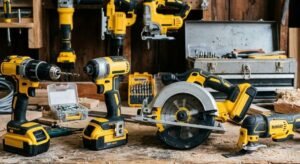
Power tools rely on electricity, batteries, or fuel to perform tasks faster and more efficiently. They are essential in professional workshops and construction sites.
Common Types of Power Tools
- Drills and impact drivers for screwing and drilling
- Circular saws for cutting wood and metal
- Angle grinders for grinding, cutting, and polishing
- Electric sanders for smooth finishing
Key Advantages of Power Tools
- Save time and reduce physical effort
- Handle heavy-duty materials easily
- Ensure consistent performance across multiple pieces
Key Differences Between Hand Tools and Power Tools
Understanding the key differences helps determine the best tool for your needs:
Precision and Control
Hand tools provide superior control, allowing for meticulous adjustments and detailed finishing. Tasks like trimming, fitting, or fine woodworking benefit from this precision.
Power tools, while fast, can sometimes compromise fine control if not used carefully, especially for delicate materials like softwood or thin metal sheets.
Speed and Efficiency
For large-scale projects, power tools outperform hand tools in speed and efficiency. Cutting through dense materials with a circular saw is far quicker than using a hand saw. For large-scale projects, investing in the best power tools can significantly reduce effort and complete tasks faster without compromising on quality.
Hand tools are slower but remain invaluable for small-scale tasks or jobs requiring careful attention to detail.
Portability and Accessibility
Hand tools are lightweight, easy to carry, and require no external power. This makes them ideal for outdoor tasks or remote sites.
Power tools depend on a power source, either through cords or batteries, which may limit accessibility in certain areas.
Cost and Maintenance
Investing in hand tools is more budget-friendly, with minimal maintenance required. Occasional cleaning and sharpening are usually sufficient.
Power tools involve higher upfront costs, ongoing maintenance, and battery replacement, but their efficiency often justifies the investment for professional use.
Safety Considerations
Both types of tools require safety precautions. Hand tools are generally safer, while power tools demand personal protective equipment like gloves, goggles, and dust masks to prevent injuries. Following manufacturer guidelines ensures safe and long-lasting use.
When to Use Hand Tools
Hand tools are the best choice when tasks require precision, control, or portability. Real-world examples include:
- Using a claw hammer to remove nails without damaging surrounding surfaces
- Employing a torque wrench for accurate tightening of bolts in automotive repair
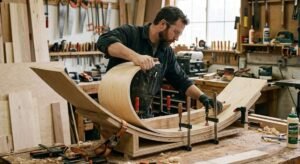
- Working on detailed woodworking projects where subtle adjustments are crucial
Hand tools are also excellent for DIY enthusiasts who want to complete small home improvements without investing heavily in equipment.
Beginners and DIY enthusiasts can start with a versatile general tool set that includes essential hand tools like hammers, screwdrivers, and wrenches for small projects and repairs.
When to Use Power Tools
Power tools excel in speed, efficiency, and handling heavy-duty materials. For reliable performance on demanding jobs, professionals often choose Bosch Power Tools, ensuring durability, precision, and consistent results across construction and woodworking projects.
Situations where power tools shine include:
- Cutting multiple planks of wood using a circular saw
- Drilling through concrete with a hammer drill
- Sanding large surfaces with an electric sander to save time and effort
For heavy-duty drilling, using acordless hammer drill allows professionals and DIY enthusiasts to drill through concrete or masonry efficiently and safely. Professionals in construction, manufacturing, and repair industries rely on power tools to maintain productivity while minimizing physical strain.
Combining Hand Tools and Power Tools
Often, the most effective approach is a combination of both. For example, a carpenter may use a power saw for rough cuts and chisels or hand planes for finishing touches.
This approach maximizes efficiency while maintaining precision and control. Understanding the strengths and limitations of each tool type ensures consistent results and avoids unnecessary mistakes.
Industry Applications
Different industries have varying tool preferences:
- Construction: Power tools dominate due to high-volume and heavy material tasks, but hand tools remain essential for fine installations and adjustments.
- Automotive Repair: Hand tools like ratchets and wrenches are crucial for tight spaces, while impact drivers and air ratchets speed up repetitive tasks.
- Woodworking: Detailed finishing relies on hand tools, while power tools handle rough cutting and shaping.
- DIY/Home Projects: Hand tools are sufficient for small projects, but occasional power tool use saves time and effort for larger jobs.
AI Overview
This blog compares hand tools vs. power tools, helping DIYers, craftsmen, and professionals learn which tools deliver precision, efficiency, and safety for different tasks, discover real-world applications, and make informed choices for woodworking, construction, and home improvement projects.
FAQs
What is the main difference between hand tools and power tools?
Hand tools are manually operated and provide better precision and control over small tasks. Power tools rely on electricity or batteries to deliver speed, efficiency, and power for larger jobs.
Are power tools safer than hand tools?
Hand tools are generally safer because they don’t move at high speed or torque. Power tools require proper training, protective gear, and careful handling to avoid accidents.
Can I use hand tools for large projects?
Yes, hand tools can complete large projects but often require more time and physical effort. Power tools are recommended for heavy-duty tasks to increase efficiency and reduce fatigue.
Which tools are best for beginners?
Beginners should start with hand tools to develop skill, control, and understanding of materials. Once comfortable, gradually introducing power tools improves speed and handling for bigger tasks.
Conclusion
Choosing between hand tools and power tools depends on the project, materials, and desired outcome. Hand tools provide precision, control, and portability, while power tools deliver speed, efficiency, and consistency for larger or repetitive tasks.
Often, combining both types ensures the best results for DIY projects, woodworking, construction, and professional workshops.If you want reliable tools, expert guidance, and materials that help you complete every project efficiently and safely, Reality Building Materials Trading LLC is your trusted partner in the UAE.
Talk to our construction specialists today for personalized recommendations, competitive pricing, and solutions tailored to your project needs. Start building smarter and safer with confidence!