Rockwool insulation is a high performance thermal, acoustic, and fire resistant insulation material widely used in modern construction projects. It is manufactured from natural volcanic rock such as basalt and recycled mineral materials that are melted at very high temperatures and spun into fine fibers.
These fibers are then compressed into boards, slabs, or pipe sections depending on construction requirements. Due to its strong structural properties and stable performance, rockwool insulation is widely used in residential, commercial, and industrial buildings across the UAE where energy efficiency and fire safety are major priorities.
What is Rockwool Insulation?
Rockwool insulation, also known as mineral wool insulation, is produced from molten rock and recycled industrial slag. These materials are processed at extremely high temperatures and converted into fine, wool like fibers.
The fiber structure contains millions of air pockets that help reduce heat transfer and absorb sound waves effectively. Because of its inorganic nature, rockwool insulation does not support mold growth, does not rot, and remains dimensionally stable over long periods.
It is widely used in walls, roofs, HVAC systems, industrial equipment insulation, and fire protection systems due to its reliable performance.
Manufacturing Process and Material Composition
The performance of rockwool insulation depends on its carefully controlled manufacturing process and raw material selection.
Raw Materials
• Basalt volcanic rock
• Recycled industrial slag
• Thermosetting binding agents
Production Process
The raw materials are melted in a furnace at temperatures exceeding 1500°C. The molten material is spun into fibers using high speed spinning technology. These fibers are collected, layered, and compressed into different densities and product formats.
This controlled structure ensures uniform fiber distribution, which directly contributes to thermal resistance, fire safety, and acoustic performance.
Key Properties of Rockwool Insulation
Rockwool insulation is widely known for combining multiple performance benefits in a single material.
Thermal Insulation Performance
Rockwool insulation has low thermal conductivity, which helps reduce heat transfer through building elements such as walls and roofs. This improves indoor comfort and reduces cooling energy consumption, especially in hot climates like the UAE.
Fire Resistance
Rockwool insulation is non combustible and can withstand extremely high temperatures without melting. It is commonly classified as A1 fire rated material, making it highly suitable for fire safe building design.
Acoustic Performance
The fibrous structure of rockwool insulation absorbs sound waves effectively. It reduces noise transmission between rooms, floors, and external environments, making it ideal for commercial buildings, residential apartments, hotels, and industrial spaces.
Moisture and Durability Resistance
Rockwool insulation is resistant to moisture absorption and does not support mold or bacterial growth. It maintains its shape without shrinking or sagging, ensuring long term performance stability.
Standard Specifications of Rockwool Insulation
Rockwool insulation is available in various thicknesses and densities depending on application needs.
Common thickness ranges from 50 mm to 100 mm, while density levels vary depending on thermal or acoustic performance requirements. It is manufactured in compliance with international fire safety and insulation standards.
Selecting the correct specification is important for achieving optimal performance in construction projects. Working with a reliable rockwool insulation supplier ensures proper material selection, technical support, and compliance with project requirements.
Applications of Rockwool Insulation
Rockwool insulation is widely used across multiple sectors due to its versatile performance characteristics.
Commercial Buildings
Used in offices, hotels, and retail spaces to improve thermal efficiency and reduce internal noise levels between rooms and floors.
Industrial Facilities
Used in factories, power plants, and industrial systems for high temperature equipment insulation, pipe insulation, and fire protection applications.
Residential Projects
Installed in walls, ceilings, and roofing systems to improve indoor comfort, reduce heat gain, and minimize external noise.
Benefits of Rockwool Insulation
Rockwool insulation supplier offers several important benefits that make it suitable for modern construction requirements.
It improves energy efficiency by reducing heat transfer, enhances fire safety due to its non combustible nature, and provides strong acoustic performance by reducing noise transmission. It also offers long term stability without shrinkage or deformation and supports sustainable construction practices through the use of natural and recycled materials.
Installation Overview
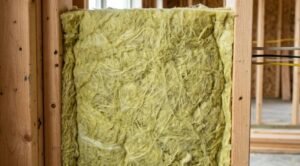
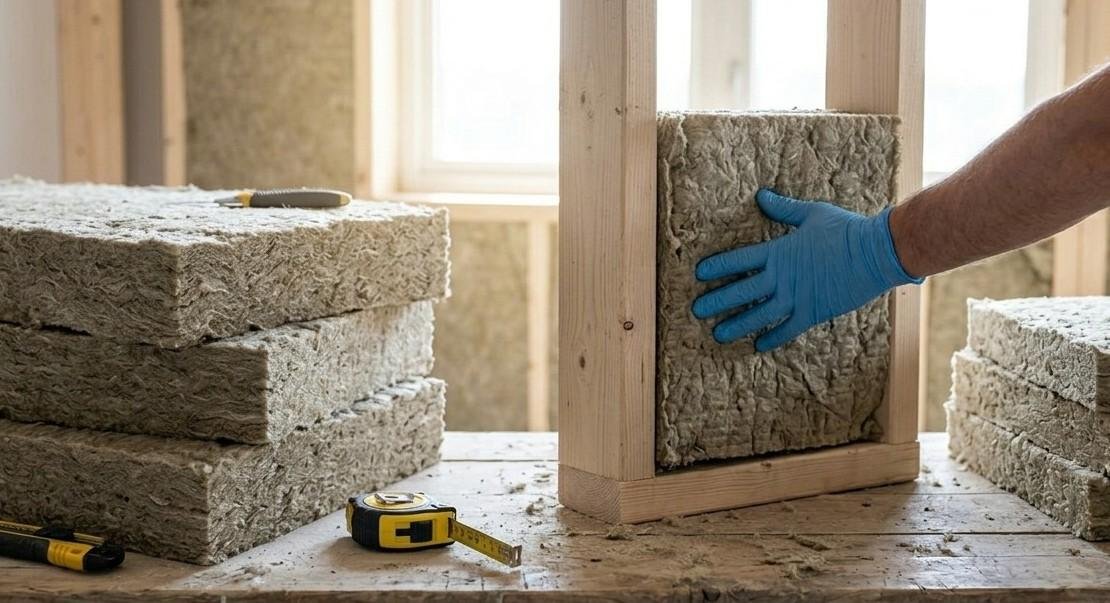
Proper installation is essential to achieve maximum performance from rockwool insulation. The material must be cut accurately to fit within cavities without compression, as excessive compression reduces thermal efficiency.
It is typically installed in wall partitions, roof systems, and mechanical insulation applications using framing or support systems depending on the structure. Correct installation ensures long term efficiency, durability, and performance consistency.
Rockwool Insulation vs Other Materials
Compared to glass wool and foam based insulation materials, rockwool insulation provides a more balanced and high performance solution.
It offers higher fire resistance than foam based materials, better acoustic absorption due to its dense fiber structure, and improved mechanical stability for industrial and commercial environments. These advantages make it suitable for projects where safety, performance, and durability are critical.
Conclusion
Rockwool insulation has become one of the most reliable insulation materials in modern construction due to its strong thermal efficiency, high fire resistance, and excellent acoustic performance. It is widely used in residential, commercial, and industrial projects where long term safety and energy efficiency are important.
After evaluating insulation performance across durability, fire resistance, energy efficiency, and acoustic control, rockwool insulation remains a preferred choice for modern construction applications in the UAE.
By combining efficiency, reliability, and sustainability, rockwool insulation supplier companies like Reality Building Materials Trading LLC continue to set the standard for high quality insulation solutions in the construction sector.
Contact our rockwool insulation experts for professional consultation and flawless execution of your project.
Keep Reading More Construction & Industrial Guides
- Gypsum Board: Types, Benefits & Uses in Modern Construction: Learn how gypsum boards are used for efficient and modern interior construction.
- Cement Boards vs Gypsum Boards: Which Is Better?: Compare durability, cost, and performance to choose the right material.
- Essential Power Tools Every Handyman Needs in Dubai: Discover must-have tools for efficient construction and repair work.
- What Are Pneumatic Tools & How Do They Work?: Understand how pneumatic tools function and where they are used.
- What Is Glass Wool Insulation? Types, Uses, Benefits & Cost Guide: Complete guide to glass wool insulation, its types, uses, benefits, and costs.