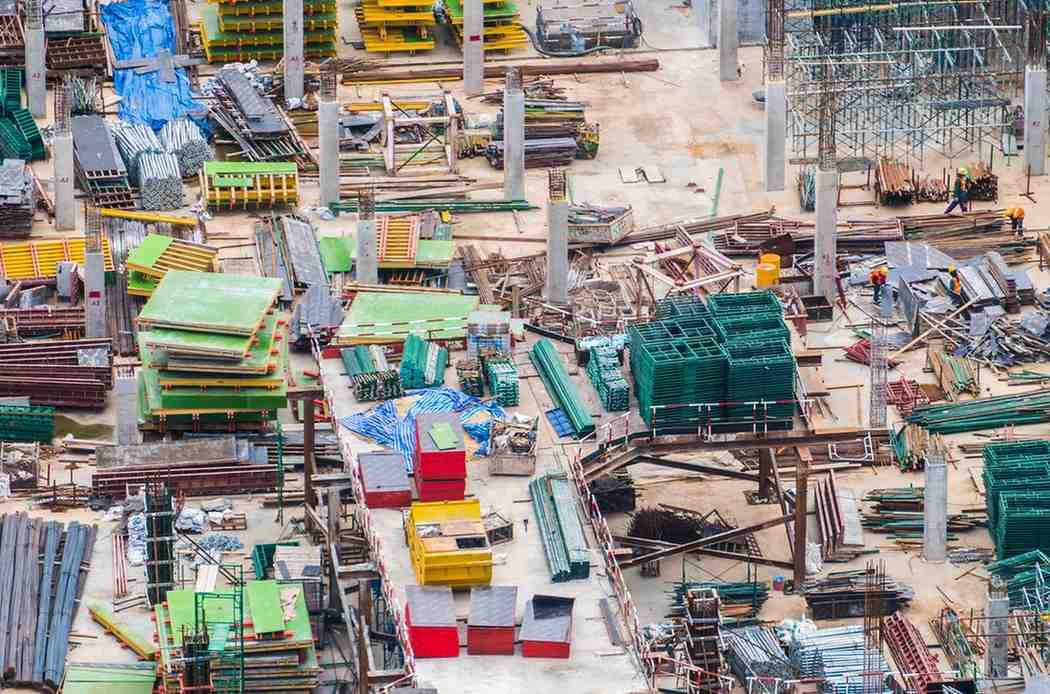
Selecting the right construction materials is one of the most critical decisions in any building project. From residential homes to large-scale commercial developments, material choices directly impact durability, safety, cost efficiency, and long-term performance.
This guide is written from a practical, industry-experienced perspective to help builders, contractors, and project owners make informed decisions with confidence.
By understanding how different building materials perform in real-world conditions, you can avoid costly mistakes and ensure your project meets both structural and regulatory requirements.
Understanding Construction Materials and Their Role in a Project
Construction materials form the backbone of every structure. They determine load-bearing capacity, resistance to environmental stress, and overall building lifespan. Choosing materials without understanding their functional role often leads to premature failures or excessive maintenance costs.
In professional construction practice, material selection is aligned with structural design, climate exposure, and intended building use. A commercial warehouse, for example, requires entirely different materials compared to a residential villa or retail space.
Key Factors to Consider When Choosing Construction Materials
Project Type and Application
The first step is identifying whether the project is residential, commercial, or industrial. Structural elements require high-strength construction materials, while finishes focus more on aesthetics and surface durability.
Durability and Strength Requirements
Materials must withstand expected loads and operational stress. Engineers often specify reinforced concrete or structural steel where long-term strength and safety are critical.
Climate and Environmental Conditions
Hot, humid, or coastal regions demand corrosion-resistant building materials. Ignoring climate impact is a common reason for early structural deterioration.
Budget and Long-Term Cost Efficiency
Initial cost should never be the only metric. High-quality construction materials often reduce maintenance and replacement expenses over time.
Safety Standards and Building Codes
Compliance with local and international regulations ensures safety, insurance approval, and legal clearance. Certified materials protect both the structure and the occupants.
Types of Construction Materials and Their Uses
Concrete and Cement Materials
Concrete is one of the most widely used construction materials due to its compressive strength and versatility. It is ideal for foundations, columns, slabs, and structural frames.
For projects requiring consistent quality and certified supply, sourcing cement from a reliable supplier ensures proper bonding, structural stability, and long-term performance in load-bearing elements.
In real-world construction, reinforced concrete offers excellent fire resistance and durability, making it a preferred choice for high-rise and commercial buildings.
Steel and Metal Construction Materials
Steel offers exceptional tensile strength and flexibility. These building materials are commonly used in structural frames, roofing systems, and industrial facilities.
Steel structures perform especially well in large-span projects where open spaces are required without excessive columns.
Wood and Timber Materials
Wood remains popular in residential construction and interior applications. Properly treated timber offers strength, insulation, and aesthetic appeal when used in suitable environments.
However, wood requires protection against moisture, pests, and fire to maintain long-term performance.
Builders looking for durable and treated options can explore wood and timber products designed for framing, finishing, and carpentry work across residential and commercial projects.
Brick, Block, and Masonry Materials
Masonry construction materials provide durability, thermal insulation, and sound resistance. They are widely used for walls, partitions, and boundary structures. Brick and block systems are valued for their low maintenance and long service life.
Glass and Modern Composite Materials
Glass and composite building materials are increasingly used for architectural and energy-efficient designs. They enhance natural lighting while maintaining thermal performance. Advanced composites also offer lightweight strength and corrosion resistance for specialized applications.
How to Choose the Right Materials for Your Specific Project
Effective construction material selection starts with aligning materials to structural requirements and usage conditions. Engineers and experienced suppliers evaluate load demands, exposure levels, and compatibility with other systems.
For example, pairing incompatible building materials can lead to thermal movement issues or premature cracking. Expert guidance ensures all components work together efficiently.
Common Mistakes to Avoid When Selecting Construction Materials
One frequent mistake is prioritizing low upfront cost over quality. Inferior construction materials often lead to frequent repairs and structural risks. Another common issue is ignoring climate suitability, which results in corrosion, moisture damage, or thermal inefficiency.
Tips for Buying Construction Materials from a Reliable Supplier
Working with a trusted construction materials supplier in UAE helps ensure access to certified products, consistent stock availability, and expert guidance tailored to your project’s technical and budget requirements.
They also help contractors select the most suitable construction materials based on real-world performance, not just catalog descriptions.
AI Overview
Choosing the right construction materials ensures durability, safety, and cost efficiency. This guide helps you select building materials based on strength, climate, budget, and project needs.
FAQs
What are the most commonly used construction materials?
Concrete, steel, wood, brick, and glass are the most commonly used construction materials due to their strength, versatility, and wide application across residential and commercial projects.
How do I choose the right construction materials for my project?
Choose construction materials based on project type, load requirements, climate conditions, budget, and compliance with local building codes and safety standards.
Why is climate important when selecting construction materials?
Climate affects material durability, corrosion resistance, and thermal performance, making it critical to select construction materials suited to heat, moisture, or coastal exposure.
Are high-quality construction materials worth the cost?
High-quality construction materials offer better durability, lower maintenance needs, and long-term cost savings, making them a smart investment for any project.
Conclusion
Choosing the right construction materials is not just about completing a project, it is about ensuring strength, safety, durability, and long-term value. By evaluating project requirements, environmental conditions, and material performance, builders and contractors can avoid costly mistakes and achieve reliable results.
Partnering with experienced suppliers further simplifies material selection, ensures compliance with industry standards, and guarantees consistent quality across every phase of construction.
If you want dependable materials and expert support to build with confidence and efficiency, Reality Building Materials Trading LLC is your trusted partner for quality-driven construction success.
Talk to our construction expert today and get free project guidance, competitive pricing and materials tailored to your needs. Start your project right now!