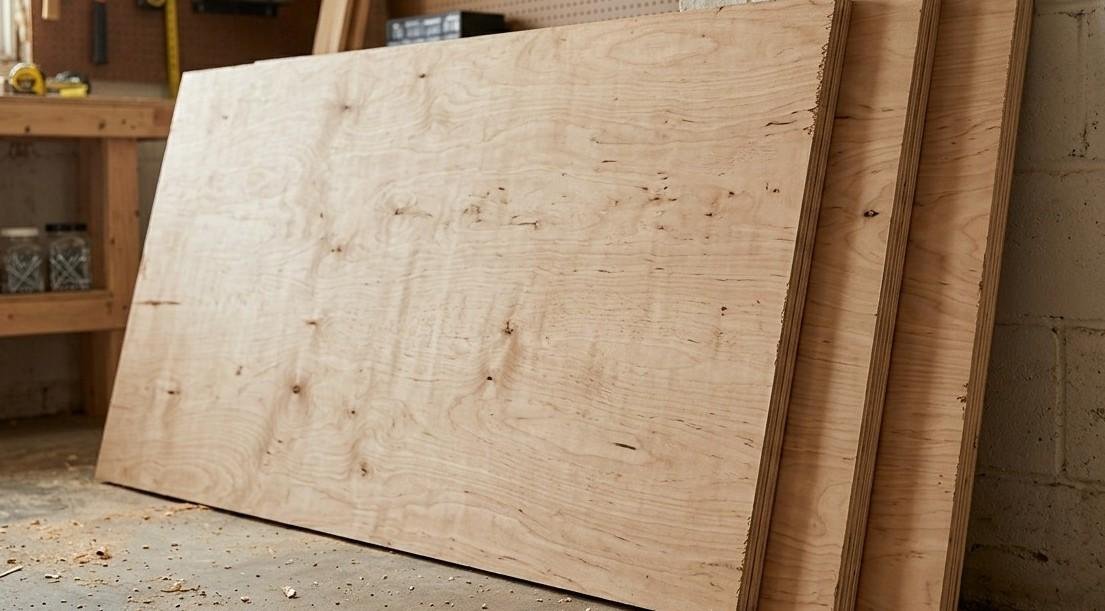
Plywood is one of the most widely used engineered wood materials in construction, furniture manufacturing, and interior design. Its combination of strength, durability, and affordability makes it a preferred choice for homeowners, contractors, architects, and furniture manufacturers.
Unlike solid wood, plywood is manufactured by bonding multiple layers of thin wood veneers together. This unique structure improves stability, reduces the risk of cracking, and provides better resistance against warping.
From kitchen cabinets and wardrobes to flooring, roofing, and commercial interiors, plywood sheets are used in countless applications. With different types, grades, and thicknesses available, choosing the right plywood is essential for achieving long-lasting results.
What Is Plywood?
Plywood is an engineered wood panel made by combining several layers of wood veneer using strong adhesives under heat and pressure. The grain direction of each veneer layer is placed opposite to the previous layer, creating a cross-laminated structure.
This construction method gives plywood excellent strength and dimensional stability. Compared to traditional wood, plywood is less likely to shrink, expand, or split when exposed to changing environmental conditions.
Plywood is available in different grades, including commercial plywood, marine plywood, hardwood plywood, and structural plywood, each designed for specific applications.
How Is Plywood Made?
The quality of plywood depends on the materials and manufacturing process used.
The basic manufacturing process includes:
- Selecting suitable hardwood or softwood logs
- Cutting logs into thin veneer sheets
- Drying veneers to remove moisture
- Applying adhesive between layers
- Arranging veneers with alternating grain directions
- Pressing layers under heat and pressure
- Sanding and finishing the final plywood sheet
High-quality plywood uses better veneers and stronger adhesives, resulting in improved durability, smoother finishes, and longer service life.
Types of Plywood
Different projects require different plywood types. Selecting the correct option helps improve performance and reduces maintenance costs.
Commercial Plywood
Commercial plywood is one of the most common choices for interior applications. It is mainly used in areas where exposure to moisture is limited.
Common uses include:
- Wardrobes
- Cabinets
- Office furniture
- Shelving units
- Interior partitions
It provides a smooth surface for laminates, paints, and decorative finishes while remaining cost-effective.
Marine Plywood
Marine plywood is designed for environments where moisture resistance is important. It is manufactured using waterproof adhesives and high-quality veneers.
It is commonly used for:
- Kitchen cabinets
- Bathroom furniture
- Outdoor applications
- Boats
- Humid areas
Marine plywood offers better resistance against water damage compared to standard plywood.
Hardwood Plywood
Hardwood plywood is made using strong hardwood veneers and is known for its durability and attractive appearance.
It is suitable for:
- Premium furniture
- Decorative panels
- Flooring
- High-end interiors
Its excellent strength and finish make it a popular choice for projects requiring both performance and aesthetics.
Softwood Plywood
Softwood plywood is manufactured using timber species such as pine and fir. It is lightweight and economical, making it suitable for construction applications.
Common uses include:
- Roofing
- Wall sheathing
- Flooring support
- Packaging
Structural Plywood
Structural plywood is designed for heavy-duty applications where strength is a priority.
It is commonly used for:
- Concrete formwork
- Roof decking
- Construction frameworks
- Industrial projects
| Plywood Type | Common Applications | Main Benefit |
| Commercial Plywood | Furniture and interiors | Affordable and versatile |
| Marine Plywood | Wet environments | High moisture resistance |
| Hardwood Plywood | Premium furniture | Strong and durable |
| Softwood Plywood | Construction work | Lightweight and economical |
| Structural Plywood | Heavy-duty projects | Excellent load capacity |
Common Uses of Plywood
Plywood is valued for its versatility and can be used across residential, commercial, and industrial projects.
Furniture Manufacturing
Plywood is widely used for making:
- Kitchen cabinets
- Wardrobes
- Beds
- Dining tables
- Office desks
- Storage units
Its smooth surface allows easy application of laminates, veneers, and paints.
Interior Applications
Interior designers use plywood for creating modern and functional spaces. Common applications include:
- Wall paneling
- False ceilings
- Modular kitchens
- Decorative partitions
- Reception counters
The material is easy to customize, making it suitable for unique interior designs.
Construction Projects
In construction, plywood is used because of its strength and stability.
Applications include:
- Flooring systems
- Roofing
- Concrete shuttering
- Temporary structures
- Wall panels
Its lightweight nature makes installation easier while maintaining structural performance.
Benefits of Using Plywood
Plywood offers several advantages that make it a preferred building material.
High Strength
The layered construction improves plywood’s strength and allows it to handle heavy loads without easily bending or breaking.
Better Stability
Plywood has excellent dimensional stability compared to solid wood. It is less affected by temperature and humidity changes.
Cost Effective
Plywood provides strong performance at a lower cost compared to many solid wood options, making it suitable for large-scale projects.
Easy Installation
Plywood can be easily cut, drilled, screwed, painted, and laminated, making it convenient for carpenters and contractors.
Multiple Thickness Options
Plywood sheets are available in different thicknesses, allowing users to select the right option for furniture, interiors, and structural applications.
How to Choose the Right Plywood
Choosing the correct plywood depends on the project’s requirements.
Consider these factors before purchasing:
- Application: Select plywood based on whether it will be used for furniture, interiors, or construction.
- Moisture Exposure: Choose marine plywood or moisture-resistant plywood for humid areas.
- Thickness: Use thicker plywood for heavy loads and structural applications.
- Quality Grade: Higher-grade plywood provides better finishes and longer durability.
Using the right plywood type improves performance and helps avoid future repairs or replacements.
Conclusion
Plywood is an essential engineered wood product that combines strength, versatility, and affordability. Whether you’re manufacturing furniture, designing modern interiors, or managing a construction project, choosing the right plywood ensures long-lasting performance and better value.
If you’re looking for a trusted plywood supplier in UAE, Reality Building Materials Trading LLC offers high-quality plywood sheets for residential, commercial, and industrial applications. Contact Our Team today to explore our product range and get expert assistance in selecting the right plywood for your next project.
Keep Reading More Construction & Industrial Guides
- The Complete Guide to Prefab Construction Materials: See how prefab building systems often combine with glass wool for faster, energy efficient construction.
- What is Vinyl Flooring? Benefits, Types & Uses: Discover a durable flooring option that pairs well with insulated subfloors and walls.
- Asian Paints Berger Suppliers and Dealers in UAE: Explore trusted paint finishes that pair well with insulated walls and interiors.
- Corded Drill vs Cordless Drill: Which One Fits Your Project?: Find the right tool for cutting and fixing glass wool panels during installation.
- MDF vs Plywood for UAE Construction: Which One Is Better?: Compare board materials often used alongside insulation in wall and ceiling systems