Glass wool insulation is one of the most widely used materials in modern construction, known for its excellent thermal performance and sound absorption capabilities. As buildings become more energy-efficient and sustainability-focused in 2026, glass wool continues to be a reliable and cost-effective insulation solution.
Whether you are working on a residential project, commercial building, or industrial facility, understanding glass wool insulation can help you make better decisions for long-term efficiency and comfort.
What Is Glass Wool Insulation?
Glass wool insulation is a fibrous material made by melting recycled glass and sand at high temperatures and spinning them into fine fibers. These fibers trap air, forming a thermal barrier that reduces heat transfer and minimizes sound transmission.
Due to its lightweight structure and versatility, glass wool is commonly used for both thermal insulation and acoustic insulation in a wide range of applications.
Types of Glass Wool Insulation
Different types of glass wool insulation are designed to suit specific applications and performance requirements.
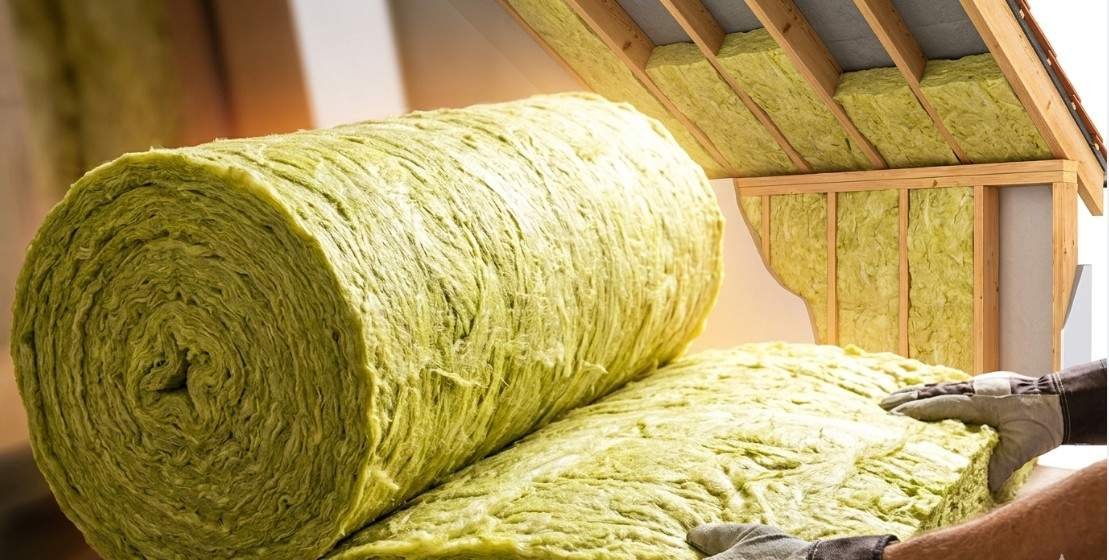
Glass Wool Rolls
Flexible and easy to install, glass wool rolls are commonly used for walls, ceilings, and roofs where continuous coverage is required.
Glass Wool Slabs
These are rigid and denser than rolls, offering higher strength and durability. They are widely used in industrial applications and HVAC systems.
Loose-Fill Glass Wool
Loose-fill insulation is made of small particles that can be blown into cavities or irregular spaces, making it ideal for retrofitting and renovation projects.
Faced Glass Wool
Faced glass wool comes with an additional layer, such as aluminum foil, which acts as a vapor barrier and improves insulation performance in moisture-prone environments.
Common Uses of Glass Wool Insulation
Glass wool insulation is highly versatile and is used across residential, commercial, and industrial sectors.
Thermal Protection
Glass wool is widely used in residential attics, walls, and roofs to improve energy efficiency and maintain consistent indoor temperatures.
Acoustic Insulation
Its sound-absorbing properties make it ideal for auditoriums, hospitals, schools, and commercial offices where noise control is essential.
Industrial Applications
In industrial settings, glass wool is used to insulate boilers, tanks, and ductwork, helping manage heat and improve overall system efficiency.
Key Benefits of Glass Wool Insulation
Glass wool insulation offers several advantages that make it a preferred choice in modern construction.
High Thermal Efficiency
It reduces heat transfer, helping maintain indoor temperatures and lower energy costs.
Excellent Sound Absorption
The fibrous structure absorbs sound effectively, making it ideal for noise reduction applications.
Lightweight and Easy to Install
Its lightweight nature allows for easy handling and faster installation.
Fire Resistance
Glass wool is non-combustible and can withstand high temperatures, enhancing building safety.
Cost-Effective Solution
It provides strong insulation performance at a relatively low cost compared to other materials.
Eco-Friendly Material
Made from recycled glass, it supports sustainable construction practices.
Durable and Long-Lasting
Glass wool maintains its insulation properties over time, ensuring consistent performance.
Glass Wool vs Other Insulation Materials
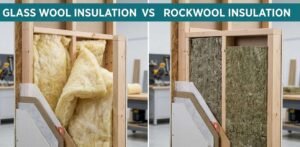
| Feature | Glass Wool | Rock Wool | Foam Insulation |
|---|---|---|---|
| Weight | Lightweight | Heavy | Lightweight |
| Cost | Affordable | Moderate | Expensive |
| Thermal Insulation | High | Very High | Very High |
| Sound Insulation | Excellent | Excellent | Moderate |
| Fire Resistance | High | Very High | Low–Moderate |
| Installation | Easy | Moderate | Professional |
How to Choose the Right Glass Wool Insulation
Selecting the right insulation depends on your specific needs and environment.
Density and Thickness
Higher density and thickness provide better thermal and acoustic performance.
Thermal Performance (R-Value)
A higher R-value indicates better resistance to heat flow and improved insulation efficiency.
Application Area
Choose the type of glass wool based on whether it will be used in walls, roofs, ducts, or industrial systems.
Moisture Resistance
Faced glass wool is recommended for humid or moisture-prone environments.
Frequently Asked Questions
Is glass wool insulation safe?
Yes, it is safe when properly installed and handled according to safety guidelines.
What is the R-value of glass wool insulation?
It typically ranges from R-2.2 to R-3.8 per inch depending on thickness and density.
Glass wool vs rock wool: which is better?
Glass wool is lighter and more cost-effective, while rock wool offers higher density and fire resistance.
Where is glass wool insulation used?
It is used in residential, commercial, and industrial buildings, as well as HVAC and soundproofing applications.
Is glass wool good for hot climates?
Yes, it effectively reduces heat transfer, making it suitable for hot environments.
Conclusion
Glass wool insulation is a versatile and efficient solution for improving energy efficiency and indoor comfort. Its combination of thermal insulation, sound absorption, and cost-effectiveness makes it suitable for a wide range of applications, from residential homes to industrial facilities.
By understanding the different types, uses, and benefits, you can select the right glass wool insulation for your specific needs and achieve long-term performance and savings.
By integrating innovative manufacturing techniques and leveraging recycled materials, glass wool suppliers like Reality BM are ensuring this product remains a leader in the insulation market while supporting global sustainability efforts.
Keep Reading More Construction & Industrial Guides
- Gypsum Board: Types, Benefits & Uses in Modern Construction: Learn how gypsum boards are used for modern interior construction.
- Cement Boards vs Gypsum Boards: Which Is Better?: Compare durability, cost, and performance to choose the right material.
- Essential Power Tools Every Handyman Needs in Dubai: Discover must-have tools for efficient construction and repair work.
- What Are Pneumatic Tools & How Do They Work?: Understand how pneumatic tools function and where they are used.
- Essential Oilfield Equipment and Their Applications: Explore key equipment used in oilfield operations and industrial environments.