Buildings today are expected to do more than just provide shelter. They need to stay cool in summer, warm in winter, quiet from outside noise and safe from fire hazards. Meeting all these expectations at once is not easy, and this is exactly where the right insulation material makes a real difference.
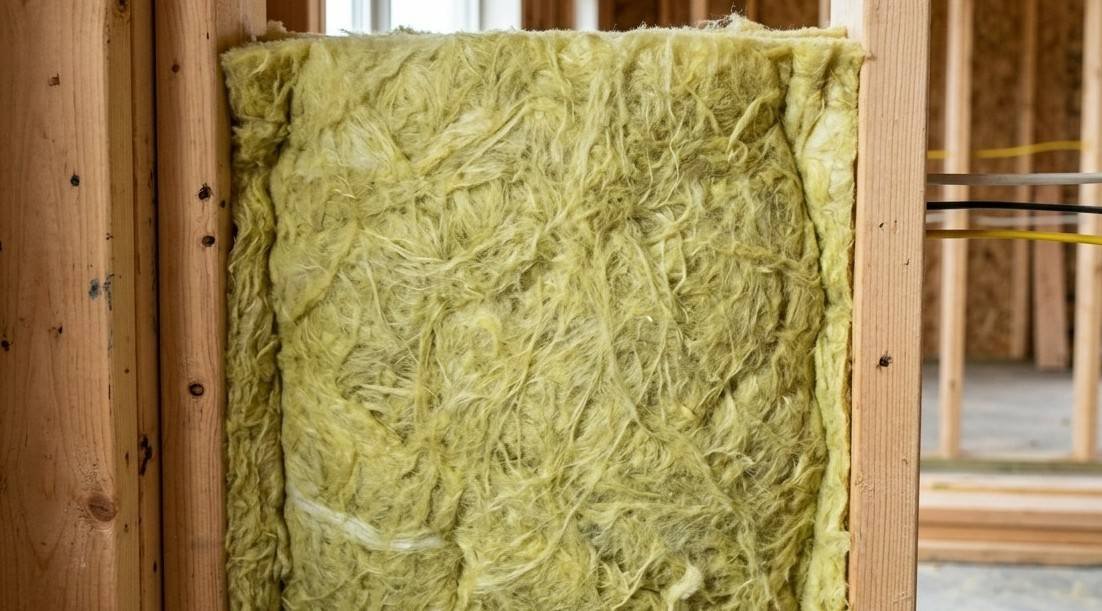
Glass wool insulation has become one of the most trusted materials for handling these demands together. Made from fine spun glass fibers, it offers a light, flexible and long lasting way to control heat, sound and even energy bills. If you are planning a new construction project or upgrading an existing space, understanding what glass wool insulation brings to the table can help you make a smarter choice for your building.
Why Insulation Matters More Than Ever
Rising temperatures, higher energy costs and stricter safety codes have made insulation a priority rather than an afterthought. A building without proper insulation loses conditioned air quickly, forcing HVAC systems to work harder and consume more power.
Good insulation reduces this strain while also improving comfort for everyone inside the space. Glass wool has stood out as a practical answer because it performs well across thermal, acoustic and fire safety needs without adding much weight or cost to a project.
Top Benefits of Glass Wool Insulation
Here are the main advantages that make glass wool a preferred choice for architects, contractors and homeowners alike. For a deeper look at the material itself, our guide on what glass wool insulation is and how it works covers the basics in detail.
- Reduces heat transfer through walls, roofs and floors
- Lowers energy bills by easing the load on cooling and heating systems
- Absorbs sound waves for better acoustic comfort
- Non combustible and does not release toxic smoke in a fire
- Lightweight and simple to cut, handle and install
- Made largely from recycled glass, supporting sustainable construction
- Resists moisture damage and does not sag over time
- Works well in both hot and cold climates
- Suitable for residential, commercial and industrial projects
- Long service life with minimal maintenance once installed
Thermal Performance and Energy Savings
One of the biggest reasons builders choose glass wool is its ability to slow down heat movement. The material traps air within its fibrous structure, and since still air is a poor conductor of heat, this naturally limits how much warmth passes through a wall or roof. Lower thermal conductivity means better performance, and glass wool typically falls in a range that makes it highly effective for both residential and commercial use. For anyone comparing insulation types before starting a project, our guide on rockwool insulation uses and specifications is a useful reference point.
This performance directly translates into lower electricity bills since air conditioning systems do not need to run as hard to maintain comfortable indoor temperatures. In regions with intense heat, this benefit becomes even more noticeable across the year.
| Insulation Factor | Impact on Building |
| Low thermal conductivity | Reduces heat gain through roofs and walls |
| High recycled content | Supports green building certifications |
| Fire resistant structure | Improves overall building safety rating |
| Sound absorption | Cuts down external and internal noise levels |
Acoustic Comfort and Fire Safety
Beyond temperature control, glass wool plays a strong role in keeping interiors quiet. Its porous structure absorbs sound waves rather than letting them bounce around a room, which is why it is widely used in offices, cinemas, studios and apartment partitions. This makes it a natural companion to interior systems such as false ceilings and partition walls, an area covered in our comparison of gypsum board and plaster for interior finishing.
Fire safety is another area where glass wool performs reliably. Being inorganic, it does not fuel a fire or produce heavy smoke, giving occupants more time to evacuate safely during an emergency. This combination of acoustic comfort and fire resistance is a major reason building codes favor it for shared spaces.
Where Glass Wool Is Commonly Used?
Glass wool insulation fits into many parts of a building rather than just one. It is applied in roofs, walls and underdeck areas to manage temperature, and it is a regular feature in HVAC ducting where it prevents energy loss and controls condensation.
Cold storage units, partition walls and even transport vehicles rely on it for consistent thermal control. Since insulation performance also depends on keeping moisture out, pairing glass wool with proper waterproofing materials and techniques gives a building complete protection from both heat and water damage.
Choosing the Right Type for Your Project
Not every space needs the same thickness or density of glass wool. The table below gives a general idea of how selection can vary based on the application, and working with a reliable glasswool insulation supplier helps match the right product to your specific requirements instead of relying on guesswork.
| Application | Recommended Focus |
| Roof insulation | Higher thickness for maximum heat reduction |
| HVAC ducting | Moderate density with good moisture resistance |
| Partition walls | Balanced thermal and acoustic performance |
| Industrial equipment | Higher temperature tolerance and durability |
Conclusion:
Choosing the right insulation can feel like a small decision, but it shapes how comfortable, safe and efficient a building feels for years to come. Glass wool makes that choice easier. It keeps indoor spaces cool in summer and warm in winter, cuts down on outside noise, resists fire and helps lower monthly energy bills, all without adding extra weight or cost to a project.
Whether you are building a new home, fitting out an office or setting up an industrial space, glass wool is a material worth considering from day one. At Reality Building Materials Trading LLC, we supply quality glass wool insulation along with the tools and materials you need to get the job done right. Contact our team and we will help you pick the right insulation for your next project.
Keep Reading More Construction & Industrial Guides
- The Complete Guide to Prefab Construction Materials: See how prefab building systems often combine with glass wool for faster, energy efficient construction.
- What is Vinyl Flooring? Benefits, Types & Uses: Discover a durable flooring option that pairs well with insulated subfloors and walls.
- Asian Paints Berger Suppliers and Dealers in UAE: Explore trusted paint finishes that pair well with insulated walls and interiors.
- Corded Drill vs Cordless Drill: Which One Fits Your Project?: Find the right tool for cutting and fixing glass wool panels during installation.
- MDF vs Plywood for UAE Construction: Which One Is Better?: Compare board materials often used alongside insulation in wall and ceiling systems.