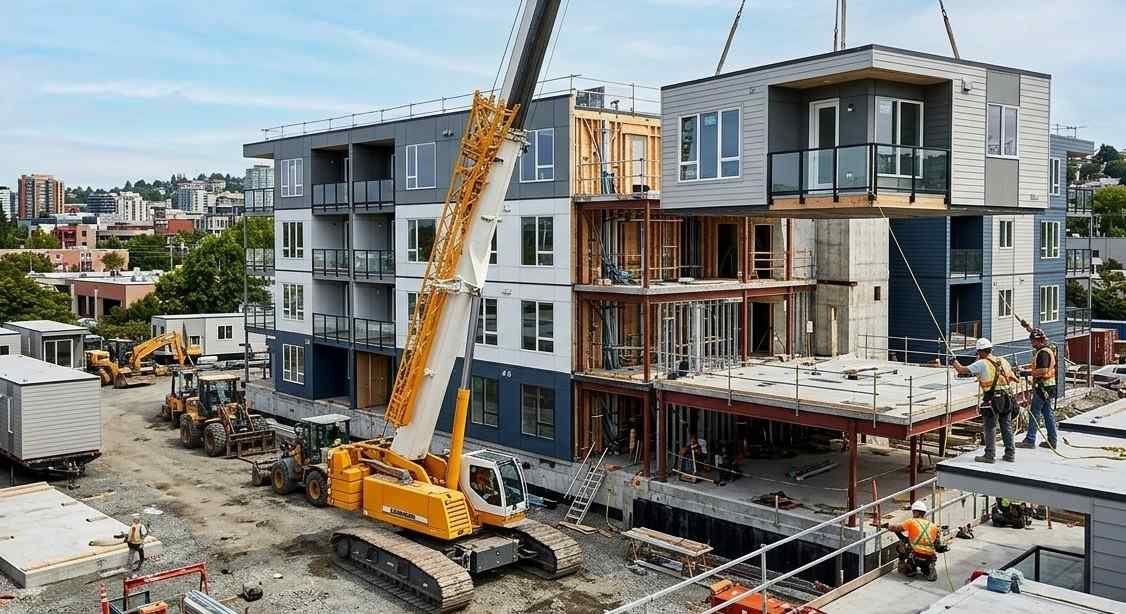
Construction teams across the UAE and beyond are shifting toward prefabricated modular construction because it delivers buildings faster cheaper and with fewer surprises than traditional site built methods. Instead of building everything from the ground up on location, entire sections or modules are manufactured in a factory setting and then transported to the site for assembly.
This approach is reshaping how homes offices warehouses and industrial facilities are delivered. Below are the ten most important benefits driving this shift along with practical insights for anyone planning a modular project.
1. Faster Project Completion
Speed is the single biggest reason contractors choose prefabricated modular construction. Site preparation and foundation work can happen at the same time modules are being built in the factory. Because weather delays and material shortages have far less impact on an indoor production line, projects that would normally take months on a traditional site can be completed in a fraction of the time.
2. Lower Overall Costs
Factory based manufacturing reduces labor hours material waste and equipment rental time. Bulk purchasing of materials and repeatable production processes also help control costs from the start. For developers working with tight budgets, this predictability is often more valuable than the savings themselves, since it removes the guesswork from financial planning. Working with an established prefab products supplier also helps teams source consistent materials at stable pricing across an entire project.
3. Consistent Quality Control
Every module is built under controlled factory conditions where temperature, moisture, and dust are managed and materials are inspected at multiple stages. This level of oversight is difficult to replicate on an open construction site, where weather and shifting labor crews introduce variability. Builders wanting a deeper look at what goes into a strong build can review the complete guide to prefab construction materials, which covers the components most commonly used in modular projects.
4. Stronger Environmental Performance
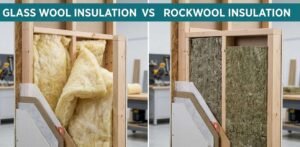
Because components are manufactured in one location using precise cutting and measurement, less raw material ends up as landfill waste. Modules are also frequently engineered with better insulation and airtight seams, which reduces long term energy consumption. Builders looking to lower a project’s environmental footprint often pair modular construction with efficient insulation choices such as glass wool insulation to further cut heating and cooling loads.
5. Real Design Flexibility
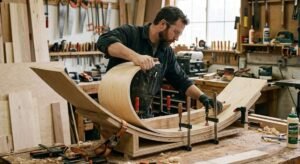
A common myth is that modular buildings all look the same. In reality, modern modular systems support a wide range of layouts, finishes, and architectural styles for residential, commercial, and industrial use. Structural and interior finishing materials such as plywood can be selected to match almost any design brief while keeping the efficiency of factory production.
6. Less Disruption To The Surrounding Area
Because most of the building process happens offsite, neighboring properties and communities experience far less noise, dust, and traffic congestion. This is especially valuable for projects in dense urban areas or near active business districts where minimizing disturbance is a priority for local authorities and residents alike.
7. Safer Working Conditions
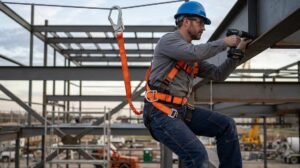
Factory environments allow workers to use fixed equipment, proper lighting, and standardized safety protocols instead of navigating changing site hazards like uneven ground, extreme heat, or heavy machinery movement. Fewer workers are also required onsite at any given time, which further reduces exposure to accidents during assembly.
8. Easy Scalability And Future Expansion
Modular buildings are inherently easier to expand than traditional structures. Whether the goal is adding a new wing to a warehouse or extending a residential unit, additional modules can be manufactured and connected without disrupting the existing structure. This scalability makes modular construction attractive for businesses that expect to grow.
9. A Practical Answer To Skilled Labor Shortages
The construction industry continues to face a shortage of skilled tradespeople in many regions. Because modular construction concentrates labor in a factory setting, fewer specialized workers are needed onsite, and factory staff can focus on repeatable tasks they perform daily, which improves both speed and consistency.
10. Greater Long Term Durability
Modules are engineered to withstand the stresses of transport, which naturally makes them more rigid and resilient than many traditionally built structures. Combined with quality materials and protective systems such as proper waterproofing, modular buildings are built to hold up well against weather, seismic activity, and everyday wear.
Traditional Construction Versus Prefabricated Modular Construction
| Factor | Traditional Construction | Prefabricated Modular Construction |
| Timeline | Months to years, weather dependent | Weeks to months, largely weather independent |
| Quality Control | Varies by site conditions and crew | Standardized factory inspection at every stage |
| Waste Generation | Higher due to onsite cutting and errors | Lower due to precision manufacturing |
| Labor Requirement | Large onsite crews needed | Smaller onsite crew, factory based labor |
| Site Disruption | Extended noise, dust, and traffic | Minimal, mostly assembly work |
Materials That Support A Successful Modular Build
The performance of any modular structure depends heavily on the materials used inside it. Interior finishes, flooring, and protective layers all play a role in comfort, durability, and long term value. Flooring choice in particular affects both appearance and upkeep, and many modular projects in the region use vinyl flooring for its water resistance and design versatility.
| Material Type | Role In Modular Construction |
| Insulation | Improves energy efficiency and comfort |
| Flooring | Adds durability and design appeal |
| Structural Panels | Provides rigidity for transport and assembly |
| Wood Products | Used in framing, cladding, and interiors |
Conclusion
Prefabricated modular construction has moved well beyond its early reputation for basic, low cost builds. It now offers a faster, safer, and more sustainable way to deliver residential, commercial, and industrial projects without sacrificing design freedom or long term durability. Reality BM provides the materials and support needed to plan and complete a successful modular project across the UAE. Contact our team to discuss the right prefab solutions and supplies for your next build.
Keep Reading More Construction & Industrial Guides
- Waterproofing Materials & Techniques in UAE: Complete Guide: Learn how proper waterproofing protects subfloors before vinyl flooring installation.
- Cement Boards vs Gypsum Boards: Which Is Better?: Compare durable base materials often paired with flooring in wet and dry areas.
- Choosing the Right Construction Materials: Complete Guide: Understand how to select materials based on climate, budget, and project needs.
- Corded vs Cordless Drills: Which Is Best for Your Work?: Find the right tool for cutting, fitting, and securing flooring during installation.
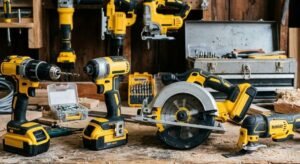
- Essential Power Tools Every Handyman Needs in Dubai: Discover must-have tools for efficient construction and repair work.